
Puppy Daycare Calgary — Early Socialization at PAWS
PAWS puppy daycare in Calgary accepts puppies from 12 weeks with at least 2 sets of vaccinations. Same day rates as adult daycare — $37–$59.50/day — with one critical difference: puppies get a carefully managed introduction to the pack through slow greetings, supervised by experienced pack leaders who know how to build confidence during the critical socialization window.
The socialization window
closes at 16 weeks.
Between 3 and 16 weeks, a puppy's brain is primed to learn that new dogs, new people, and new environments are safe. Miss this window and building that confidence takes significantly longer. Daycare is one of the most effective ways to fill that window with positive, supervised experiences — before habits form and before fear has a chance to take hold.
Early Socialization
Positive dog-to-dog exposure during the critical development window
Confidence Building
Gradual challenges in a safe, controlled environment
Safe Pack Introduction
Slow, supervised greetings with the pack from day one
Experienced Staff
Pack leaders trained to read puppy body language and intervene early
Gradual Integration
Your puppy sets the pace, building on those greetings visit by visit
Free First Day
Zero commitment — try us and see how your puppy responds

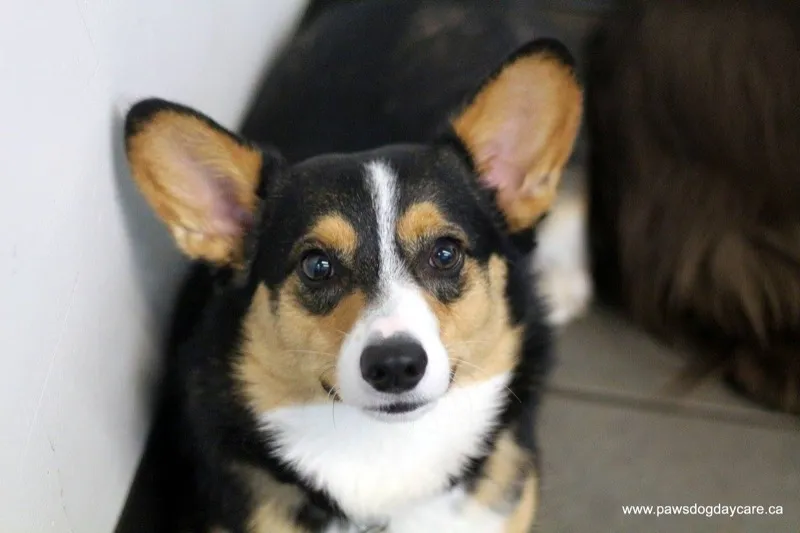
What puppy daycare
actually looks like.
Puppies are not dropped into a room full of adult dogs. Every new puppy at PAWS goes through a structured introduction process designed to build confidence one step at a time. Pack leaders stay close, watch for stress signals, and keep every interaction positive.
- Drop-Off (7:00 – 10:00 AM)Warm check-in. A pack leader greets your puppy, notes any updates, and prepares the introduction plan for the day.
- First IntroductionOne or two calm dogs. Your puppy meets the pack through slow greetings in a quiet, low-pressure setting — not all at once.
- Supervised ExplorationFollowing your puppy's lead. Pack leaders let your puppy explore at their own pace with close supervision and positive reinforcement throughout.
- Rest PeriodsBreaks built in. Puppies tire faster than adult dogs. Regular quiet time prevents overstimulation and keeps the experience positive.
- Group Expansion (Over Time)Gradual introduction to the pack. As your puppy gains confidence across visits, we carefully build on those greetings until they are integrated with the pack.
- Pickup (3:30 – 7:00 PM)A tired, happy puppy. Pack leaders give you a brief update on how your puppy did and what to expect next time.
Why we don't have a puppy room.
At PAWS, we believe puppy daycare should prepare your dog for life, not just for a room full of other puppies. Puppies are still learning everything: how to read another dog, when play has gone too far, and how to settle down. A room of puppies can burn off energy together, but none of them has learned the manners they’re all trying to learn.
So we use the wisdom of the pack. Your puppy is introduced gradually to our managed pack, where adult dogs who already know the rules show them how to greet, play and calm down. Pack leaders supervise every interaction. It’s real-world socialization with the kind of dogs your puppy will meet on sidewalks, at off-leash parks and for the rest of their life.
Comparing a puppies-only program? Ask them:
- When and how does my puppy move into the adult group?
- Who teaches dog manners when every dog in the room is still learning them?
- How will my puppy handle meeting adult dogs outside daycare?

Puppy daycare requirements
These requirements protect your puppy and every other dog in our care. If you are unsure whether your puppy qualifies, call us at (403) 984-9247 and we will walk you through it.
| Requirement | Details | Notes |
|---|---|---|
| Minimum Age | 12 weeks (3 months) at time of first visit | Must have completed at least 2 vaccine sets, or have a vet letter |
| DHPP Vaccine | Distemper, Hepatitis, Parainfluenza, Parvovirus | Minimum 2 sets required before first visit, or a vet letter in lieu |
| Bordetella | Kennel cough prevention — strongly recommended for group settings | Every 6–12 months |
| Rabies | Required by PAWS once age-eligible | Required when your vet administers it per schedule |
| Spay / Neuter | Not required for puppies under 1 year old | Required once your dog turns 1 year to continue attending |
| Temperament Check | Assessed on the free first day | We confirm your puppy is a good fit for group daycare |
Upload proof of vaccination from your veterinarian with your Intro Day request, or bring it with you. If your puppy is mid-series on their DHPP shots, contact us and we will confirm the earliest date they can attend.
Book your puppy's free first day.
We welcome one new dog per day. Request your puppy's free intro day online — no commitment required.
Puppy daycare questions, answered.
What age can puppies start daycare?
Are puppies kept separate from adult dogs?
What vaccinations do puppies need for daycare?
How do you introduce puppies to the pack?
Is daycare good for puppy socialization?
How much does puppy daycare cost at PAWS?
Do puppies need to be spayed or neutered for daycare?
What does a puppy's first day at PAWS look like?
- Learn More
Kennel-Free Dog Daycare
All about kennel-free daycare at PAWS — daily pack walks, Structured Socialization, and more.
- View Rates
Rates & Packages
Full pricing details, multi-dog discounts, and add-on services.
- Request Free Intro Day
Register Your Puppy
Request your puppy's free first day at PAWS online.
- First Day Guide
What to Expect
Your complete guide to your dog's first day at PAWS.
- Puppy Grooming
Puppy Grooming
Puppy Kindergarten: a gentle four-week introduction to grooming.
- Read the Guide
Dog Socialization Guide
The puppy socialization window and how structured pack socialization works.
Last updated September 23, 2026