
Calgary Dog Owner's Guide (2026): License Fees, Bylaws, Vet Costs & Fines
Published February 27, 2024
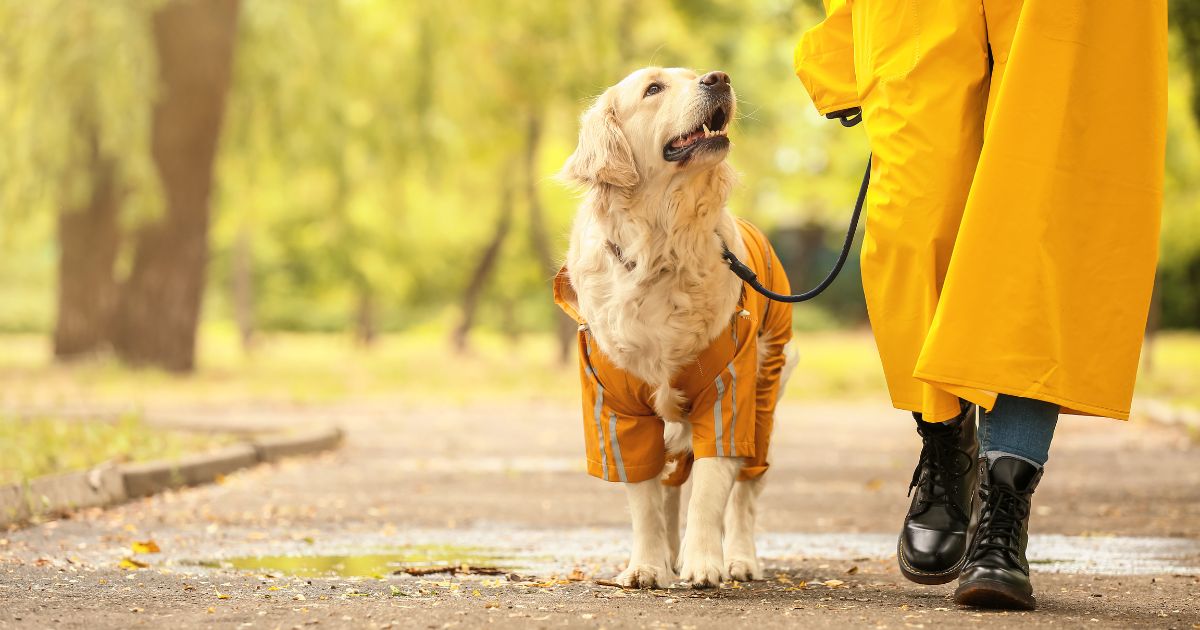
Whether you're a seasoned Calgary dog owner or thinking about getting a dog, there are important rules and responsibilities you need to know. From licensing and leash laws to fines and breed provisions, here are the 7 things every Calgary dog owner should understand.
1. Calgary's Dog Licensing Requirements
It's mandatory for all Calgary dog owners to have a valid licence for their dogs. This ensures all pets are accounted for and can be returned to their owners if lost.
- Age exception: Puppies under 3 months old are exempt, provided they haven't been found running at large or declared a Nuisance or Vicious Animal.
- Application process: Applicants must be at least 18 years old and provide accurate information about the dog — breed, name, gender, and age — along with contact information. If applying for an altered animal licence, proof of spaying or neutering is required.
- Honesty and updates: Providing false information during the application is prohibited. Owners must promptly inform Animal Services of any changes to their information.
- Non-transferability: Licences are not transferable between owners or animals. Service dogs and guide dogs must be licensed but are exempt from licence fees.
- Tag and renewal: Licensed dogs must wear their Tag when off the owner's property. Owners are responsible for renewing on time and notifying the City of any contact information changes.
- Replacement: If a Tag is lost, contact the Animal Services Centre for a replacement and pay the corresponding fee.
2. How Much Are Calgary's Dog Licence Fees?
The City of Calgary sets annual licence fees based on whether your dog is altered (spayed/neutered) or unaltered. Here are the current and recent fees:
| Fee Description | 2022 | 2023 | 2024 | 2025 | 2026 |
|---|---|---|---|---|---|
| Unaltered Dog | $68 | $69 | $70 | $70 | $71 |
| Spayed/Neutered Dog | $43 | $43 | $44 | $44 | $45 |
| Unaltered Under 6 Months | $43 | $43 | $44 | $44 | $45 |
| Vicious Animal Licence | $300 | $305 | $310 | $310 | $315 |
| Nuisance Animal Licence | $119 | $121 | $123 | $123 | $125 |
3. Where and When Must Dogs Be Leashed?
It's crucial to know when and where your dog should be on a leash in Calgary to keep both your pet and the community safe.
- General rule: Dogs must be kept on a leash in most public places to prevent them from wandering freely.
- Off-leash areas: Specific areas in parks are designated as Off-Leash Areas where your dog can roam freely — but only if the area is clearly marked with signage. If there's no sign, keep your dog leashed.
- Control required: Even in off-leash areas, your dog must be under control at all times. Your dog should respond to commands and not behave aggressively or cause problems.
- Dog limit: You can't have more than 6 dogs off-leash in an off-leash area at the same time.
- Problematic behaviour: If your dog shows threatening behaviour, you must immediately leash it (no longer than two metres) and remove it from the off-leash area.
- Only dogs allowed: Off-leash areas are for dogs only. Other pets should not be brought into these zones.
The bylaw also prohibits cycling or skateboarding with pets on a leash, to prevent accidents on pathways. Pet owners should also avoid leaving pets unattended in public spaces or in vehicles under conditions that could risk their health.
4. How Many Dogs Can You Own in Calgary?
The City of Calgary sets clear limits on pet ownership per household:
- A maximum of 6 dogs and 6 cats (over three months old) per dwelling unit.
Exceptions
- Owners can apply for an Excess Animal Permit from Animal Services.
- Owners who had more animals than allowed before the bylaw took effect — and had them licensed — can keep their pets, provided they don't foster, adopt, breed, or purchase more.
- Veterinary clinics and not-for-profit animal rescue organizations incorporated under Alberta law are exempt.
Excess Animal Permits may be issued to breeders, persons fostering animals under the supervision of a rescue organization, or anyone Animal Services determines has a reasonable need.
5. Nuisance and Aggressive Behaviour
Managing nuisance and aggressive behaviour in pets is a serious responsibility. Calgary's bylaws outline specific duties to ensure pets don't become a public or private nuisance.
- Removing excrement: If your pet defecates on any property other than your own, you must remove the feces immediately.
- Noise control: Dogs should not bark, howl, or make noise that disturbs others. A court may decide if a noise is objectionable.
- Scattering garbage: Ensure your pet does not disturb waste receptacles or scatter their contents.
- Threatening behaviours: Pets must not bite, bark at, chase, or cause damage or injury to people or other animals — whether on the owner's property or elsewhere.
- Duty to report bites: If your pet bites a person or another animal, you must report the incident within 24 hours via The City's 311 service.
- Directing attacks prohibited: Owners must never use or direct their pets to attack, chase, harass, or threaten people or animals.
Vicious Animal Designation
A dog may be classified as a "Vicious Animal" if it severely injures a person or another animal, or if there are reasonable grounds to believe it poses a risk to public safety. This determination involves a thorough assessment by the Director of Animal Services.
Once classified as vicious, owners must:
- Secure a Vicious Animal licence
- House the dog in a secure pen or fenced area
- Muzzle and leash the dog (held by an adult) when outside
- Display warning signs on their property
- Have the dog tattooed or microchipped
- Arrange for spaying or neutering if not already done
The Director may impose additional conditions, including property modifications, specific training, or liability insurance. Non-compliance can result in the dog being seized or destroyed under the Dangerous Dogs Act. Owners who disagree with the designation have the right to appeal.
6. Are There Breed-Specific Provisions?
Calgary does not have breed-specific legislation (BSL). This stance, supported by the Calgary Humane Society, is based on the understanding that a dog's breed is not a reliable indicator of its potential for aggression.
Research shows that factors influencing a dog's behaviour extend well beyond breed:
- Genetics and individual temperament
- Socialization and training
- Health and reproductive status
- How the dog is treated by its owner
- Whether the dog is chained, roaming loose, or kept in a multi-dog household
Calgary's approach prioritizes responsible pet ownership and individual behaviour assessment over breed-based restrictions — a more nuanced strategy for ensuring public safety.
7. What Happens If You Don't Follow the Bylaws?
Failing to comply with Calgary's Responsible Pet Ownership Bylaws can lead to serious consequences:
- Fines: Varying amounts depending on the nature and severity of the violation. For example, failing to remove animal waste carries a $300 fine.
- Warnings and notices: In some cases, pet owners may receive warnings to correct their behaviour before financial penalties are applied.
- Seizure of pets: In extreme cases — especially when the welfare of the animal is at risk or the pet poses a danger to the public — authorities may seize the pet.
- Legal action: Persistent or severe violations may lead to charges, court appearances, and more significant penalties.
- Impact on future ownership: Repeated violations can affect a person's ability to own pets. In severe cases, individuals may be prohibited from owning pets for a specified period.
The City encourages pet owners to understand and follow these bylaws to ensure a safe environment for all residents and pets.
Last updated
Related Articles
Is Dog Daycare Safe? Risks, Benefits, and What to Look For
Red flags to avoid, safety standards to expect, and how to choose a good facility. Expert checklist from 16+ years in Calgary dog daycare.
Leaving Calgary for the holidays? Here's how to prep your dog's pet sitter
Heading out for the holidays? Ensure your dog’s comfort and safety by preparing their pet sitter with essentials, routines, and emergency plans.
How Do I Know If My Dog Is Aggressive or Reactive?
Reactive dogs overreact to triggers (barking, lunging) but aren't dangerous. Aggressive dogs intend harm. Learn the key signs, causes, and what to do next.
Give Your Dog the Best Day, Every Day
Join PAWS Dog Daycare — kennel-free, daily pack walks, and your dog's first day is free.