
Endocannabinoid System: The Science Behind Why CBD Works for Dogs Just Like Humans
Published July 23, 2023
The endocannabinoid system (ECS) is a biological marvel that impacts both humans and dogs. From improving mood to reducing pain, the ECS serves multiple functions. Understanding this system can shed light on why CBD (cannabidiol) offers benefits to both species. Let's dig into the intricacies of the ECS and its role in canine health.
Disclaimer
This article contains affiliate links, which means that if you click on one of the product links and make a purchase, we may receive a small commission. This helps support us and allows us to continue providing valuable content for you. Thank you for your support.
What is the Endocannabinoid System in Dogs?
At its core, the ECS is a network of receptors found in the cells of mammals, including dogs. These receptors interact with cannabinoids, compounds found naturally in the cannabis plant, as well as endocannabinoids, which are produced within the body. The ECS is vital for maintaining a stable internal environment, also known as homeostasis.
How Does the Endocannabinoid System Work in Dogs?
The ECS consists mainly of two types of receptors: CB1 and CB2. These receptors are spread throughout a dog's body, from the brain to the skin. When CBD enters the system, it doesn't directly bind to these receptors but influences them. This interaction enhances the ECS's ability to regulate various bodily functions and maintain homeostasis.
Why Do Dogs Have Cannabinoid Receptors?
Cannabinoid receptors are part of the evolutionary design of mammals, aimed at helping the body adapt to its environment. Dogs have these receptors to interact with both endocannabinoids and external cannabinoids like CBD. Their presence allows the ECS to regulate essential functions such as mood, pain sensation, and sleep, contributing to the dog's overall well-being.
What Are the 5 Major Functions of the Endocannabinoid System?
- Pain Regulation: The ECS helps manage pain by inhibiting the transmission of pain signals.
- Mood Balance: It plays a role in releasing neurotransmitters that affect mood and anxiety.
- Appetite Control: The ECS regulates hunger signals, helping to manage weight and eating habits.
- Sleep Cycle: The system impacts sleep by influencing the body's internal clock.
- Immune Response: It also plays a part in modulating the immune system, affecting how the body responds to inflammation and infections.
How Are the Endocannabinoid Systems Similar in Dogs and Humans?
Both humans and dogs have an ECS that operates similarly. The symptoms or ailments experienced — be it anxiety, chronic pain, or seizures — are often regulated by the same ECS functions. Scientific studies support this similarity. A study in "Frontiers in Veterinary Science" showed that CBD improved comfort and activity in dogs with osteoarthritis. Another study found that epileptic dogs experienced fewer seizures when treated with CBD. These studies reflect similar outcomes observed in human trials.
Conclusion
In essence, dogs benefit from CBD for much the same reasons humans do: a fundamentally similar endocannabinoid system. Whether you're considering CBD for anxiety, chronic pain, or another condition, both you and your four-legged friend might find relief. Always consult your vet before beginning any new treatment, but the science suggests CBD could be a viable option for canine health.
Last updated
Related Articles
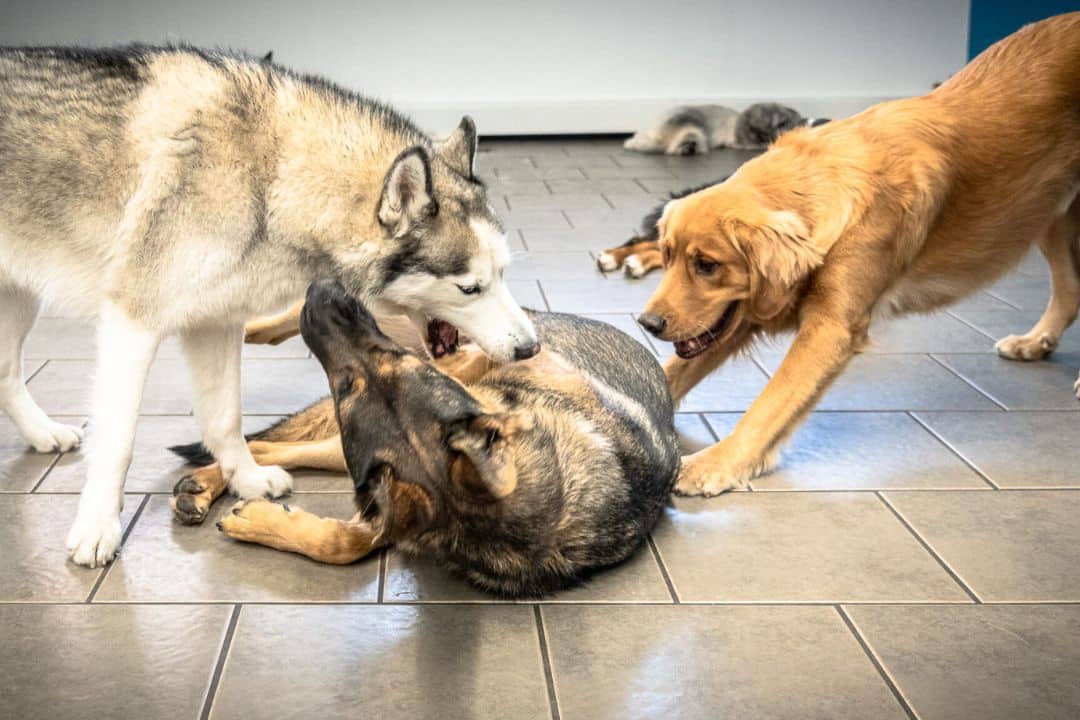
Is Dog Daycare Safe? Risks, Benefits, and What to Look For
Red flags to avoid, safety standards to expect, and how to choose a good facility. Expert checklist from 16+ years in Calgary dog daycare.
Why We Walk Every Dog, Every Day
Pack walks build calm focus, drain energy productively, and provide real-world stimulation. Here's why structured outdoor walks beat fenced play yards.
Leaving Calgary for the holidays? Here's how to prep your dog's pet sitter
Heading out for the holidays? Ensure your dog’s comfort and safety by preparing their pet sitter with essentials, routines, and emergency plans.
Give Your Dog the Best Day, Every Day
Join PAWS Dog Daycare — kennel-free, daily pack walks, and your dog's first day is free.